
Vaseline: From Affordable to Premium Skincare for Soft, Healthy-Looking Skin
- What Is Vaseline? Understanding Petroleum Jelly
- Why Vaseline Belongs in an Intentional Skincare Routine
- Why Dermatologists Frequently Recommend It
- The Truth Behind Trending Vaseline Beauty Hacks
- How to Incorporate a Vaseline Skincare Routine
- The Pros and Cons Vaseline
- Achieving a Premium Effect Through Careful Technique
- The Sofia Glow Method: Luxury Skincare on a Budget
- Frequently Asked Questions
- Conclusion
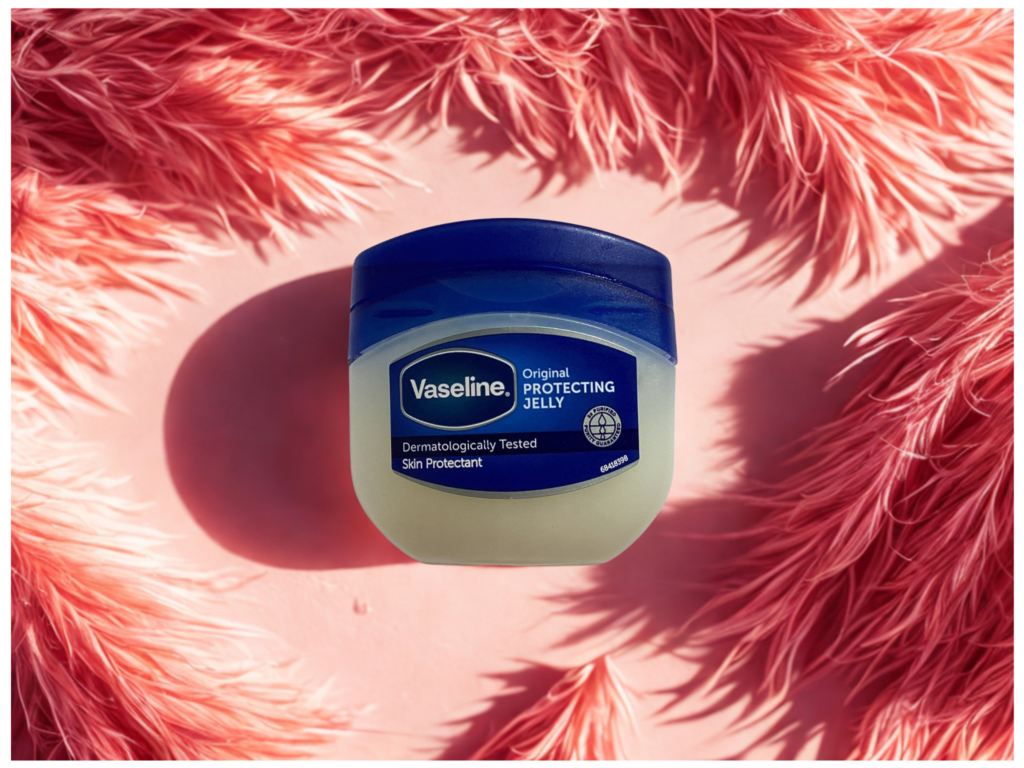
There is a quiet kind of luxury in simplicity, and few products embody that better than a small jar of Vaseline. Since its introduction in 1870, Vaseline has remained one of dermatology’s most trusted skin protectants — not because it promises miracles, but because it does one thing exceptionally well: it seals moisture in. Vaseline is an occlusive, meaning it forms a thin, breathable film over the skin’s surface that slows transepidermal water loss, the process by which hydration escapes into the air. It doesn’t add moisture on its own, but it locks in whatever water and product are already on the skin, which is why dermatologists so often recommend it for dry patches, chapped lips, cracked cuticles, and as the final “sealing” step in a nighttime routine. Layered over a humectant like glycerin or hyaluronic acid, or a facial oil, it becomes a genuinely elegant way to make an ordinary routine feel considered — proof that intentional skincare doesn’t require an expensive ingredient list, just the right technique.
Part of what makes Vaseline worth taking seriously is its safety profile. In its pure, triple-purified form, it is non-comedogenic, fragrance-free, and hypoallergenic, and it has earned the U.S. National Eczema Association’s Seal of Acceptance for use on sensitive and eczema-prone skin. It’s also a genuine workhorse in wound care: clinical literature has long supported keeping minor cuts, scrapes, and burns moist rather than letting them dry into a scab, since moist wound healing tends to reduce scarring and speed recovery. That said, Vaseline is not universally suited to every face. The American Academy of Dermatology notes that people who are acne-prone may want to avoid applying it directly to the face, as its occlusive nature can trap excess oil, dirt, and bacteria against the skin — a useful reminder that even the gentlest products deserve to be matched to your specific skin type rather than applied indiscriminately.
At Sofia Glow Edit, we believe that elevated beauty is rooted in understanding how ingredients work with your skin’s natural physiology. When used with precision, this simple, single-ingredient formula can elevate your daily ritual, offering a sleek, luminous finish while supporting your skin’s natural protective moisture barrier.
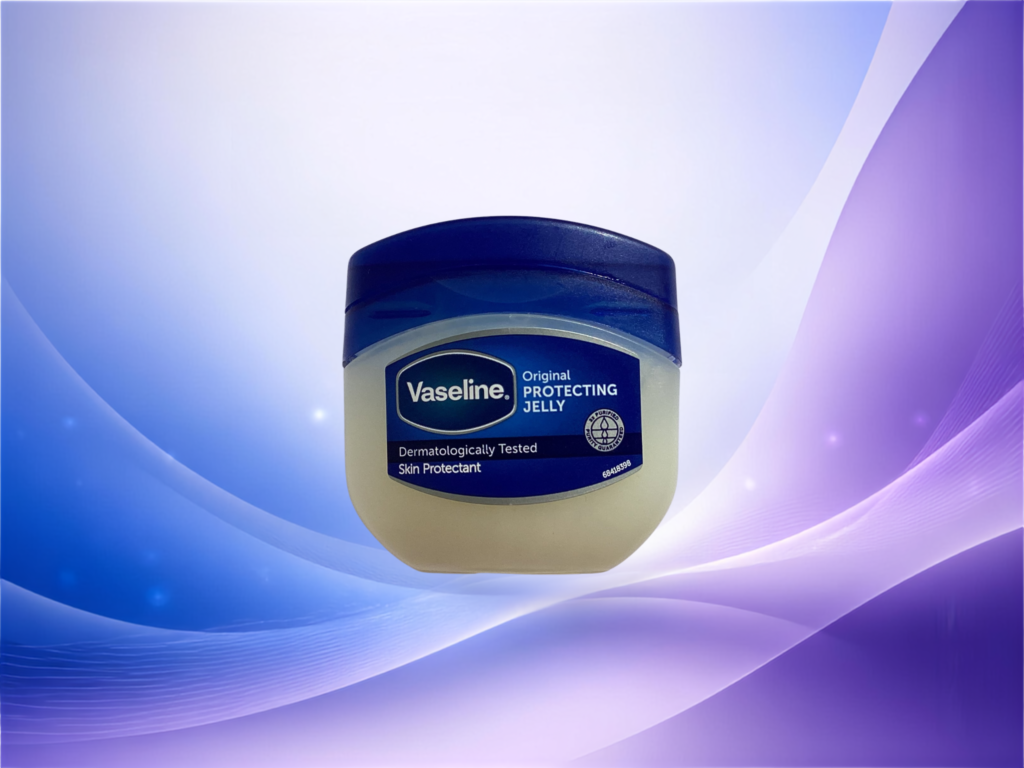
What Is Vaseline? Understanding Petroleum Jelly
Vaseline is a semi-solid mixture of hydrocarbons derived from petroleum. When properly refined, high-grade cosmetic petroleum jelly is a highly purified, inert compound generally considered safe for external skin application.
In the realm of formulation, petroleum jelly functions primarily as an occlusive. Unlike humectants (which attract water) or emollients (which smooth the spaces between skin cells), occlusives act as a physical shield on the skin’s surface.
Key Distinction: Petroleum jelly does not add water or hydrators to the skin on its own. Instead, it forms a protective layer that helps dramatically reduce trans-epidermal water loss (TEWL), trapping existing hydration beneath its barrier.
Why Vaseline Belongs in an Intentional Skincare Routine
To appreciate Vaseline, first we must understand the skin barrier .The outermost layer responsible for keeping moisture in and environmental irritants out. When this barrier becomes compromised by harsh weather, over-exfoliation, or dry indoor air, the skin can feel tight, rough, or sensitized.
- Barrier Support: By slowing down water evaporation, an occlusive creates a favorable environment for the skin barrier to recover its natural balance.
- Targeted Protection: It provides an instant defense for dry, compromised-feeling areas prone to severe moisture loss, such as elbows, heels, and knuckles.
- Enhanced Softness: Sealing in hydration allows the upper layers of the skin to remain supple, leading to a softer, more comfortable feel over time.
While Vaseliney is a powerful tool, it is not a complete skincare routine by itself. Because it seals in whatever lies beneath it, it works best when paired with hydrating serums or well-formulated moisturizers.
Why Dermatologists Frequently Recommend It
Dermatologists frequently suggest Vaseline because of its minimalism. It is fragrance-free, widely available, highly effective at preventing moisture loss, and carries an exceptionally low risk of allergic reaction compared to complex, multi-ingredient creams.
Skin specialists often recommend targeted application for:
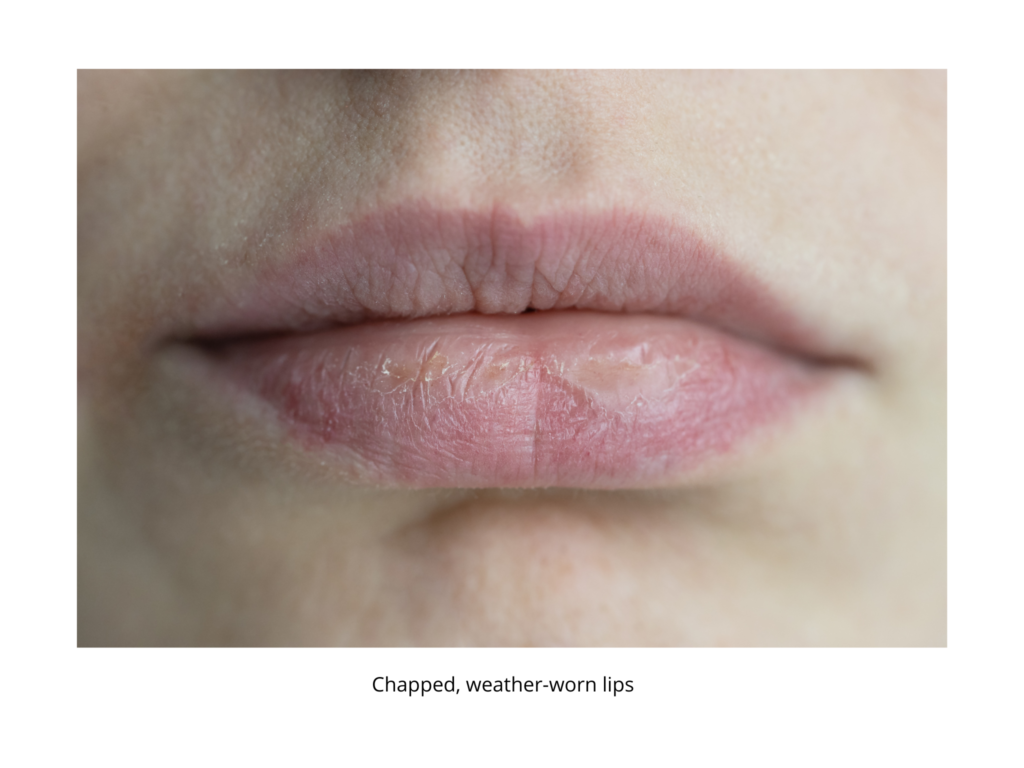
- Chapped, weather-worn lips
- Dry cuticles and vulnerable nail beds
- Rough patches on hands, elbows, and feet
- Chafing-prone areas subject to repeated friction
Note: While dermatologists value its barrier-protective qualities, it is not universally recommended for every individual or every skin condition. Those with acne-prone or extremely oily skin may find heavy occlusives unsuitable for facial use.
Sofia’s Vaseline Beauty Tip
Personally, I use Vaseline at night, especially on my hands and feet. During winter, it is essential for protecting my lips from Milan’s extreme cold. I apply a small amount of Vaseline to my lips before applying lipstick, which helps keep them hydrated. final touch a red lipstick check out the 3 red lipstick i recomended to have a special glow
The Truth Behind Trending Vaseline Beauty Hacks
Social media has, understandably, fallen in love with Vaseline’s affordability — but virality has also spread a few habits worth reconsidering.
“Slugging” with scented or DIY-mixed jelly. The viral trend of blending Vaseline with essential oils, perfume, or fragranced oils to create a “custom glow serum” sounds indulgent, but dermatologists generally advise against it. Petroleum jelly’s occlusive barrier can actually increase the skin’s absorption of whatever is mixed into it — including fragrance compounds and volatile essential oil constituents that are common triggers for allergic contact dermatitis. Plain, unscented petroleum jelly is the version dermatologists recommend precisely because it minimizes the risk of irritation.
Using it as sun protection. Another circulating claim is that a layer of Vaseline can stand in for sunscreen or “boost” its effects. It cannot. Petroleum jelly has no measurable SPF and does not filter UV radiation; because it’s occlusive, it can also trap heat against the skin. Sunscreen remains non-negotiable, applied underneath — never in place of — any occlusive product.
Applying it over active breakouts or freshly popped blemishes as a “healing seal.” While Vaseline is genuinely helpful for wound care on intact broken skin like a cut, using it as a barrier over inflamed, active acne can trap bacteria and oil exactly where you don’t want them, potentially prolonging breakouts rather than resolving them — the same acne-prone caution noted by the AAD above.
Used thoughtfully, in its plain and unscented form, Vaseline remains what dermatologists have quietly recommended for over a century: an unglamorous, evidence-backed way to protect and soften the skin. That, in the end, is its own kind of luxury — the confidence of knowing exactly what you’re putting on your skin, and why.
How to Incorporate a Vaseline Skincare Routine
The secret to integrating petroleum jelly into your modern beauty regimen lies in layer ordering and restraint.
The “Moisture Sandwich” Method
- Hydrate: Cleanse gently and leave the skin slightly damp, or apply a lightweight hydrating serum containing water-binding ingredients like glycerin or hyaluronic acid.
- Moisturize: Apply a gentle, well-formulated cream or lotion to nourish the skin.
- Seal: Warm a tiny, pea-sized amount of Vaseline between your fingertips and gently press a whisper-thin layer over the top to lock in the hydration.
Targeted Everyday Applications
- Morning Touch-ups: Dab an imperceptible amount over dry cuticles or onto high points of the cheekbones over moisturizer for a subtle, dew-drenched glow.
- Nighttime Renewal: Smooth a thin layer over damp lips, hands, or heels right before bed to allow uninterrupted moisture recovery overnight.
- Friction Defense: Apply a small amount to areas prone to rubbing—such as inner thighs or beneath tight straps—to protect against mechanical irritation.
The Pros and Cons Vaseline
Understanding both the strengths and limits of Vaseline allows you to make informed decisions for your unique skin type.
Pros
- Highly Cost-Effective: Delivers professional-grade occlusion at a fraction of the cost of complex luxury creams.
- Versatile: Multi-tasks across lips, body, cuticles, and spot-treatments.
- Minimalist & Fragrance-Free: Free from common aromatic sensitizers, making it well-tolerated by sensitive skin types.
- Protective Barrier: Unmatched ability to slow trans-epidermal water loss and shield skin from friction.
Cons & Precautions
- Texture: Can feel heavy, greasy, or tacky if over-applied.
- Zero Inherent Hydration: Offers no moisture on its own; must be paired with water or hydrating products.
- Potential Clogging: On acne-prone or oily skin, heavy occlusion may trap dead skin cells or sebum, potentially leading to congestion.
- Not a Cure or Sunscreen: Petroleum jelly does not protect against UV radiation and should never replace broad-spectrum SPF. It is also not a treatment for active skin infections or open, severe wounds.
Always patch-test new application methods on a small area of skin first. Discontinue use if irritation or congestion occurs. If you suffer from persistent acne, severe eczema flares, or unexplained rashes, consult a qualified healthcare professional.
Achieving a Premium Effect Through Careful Technique
Refining an accessible product into a spa-like ritual comes down to preparation, elegant presentation, and restraint.
The Spa-Inspired Evening Ritual
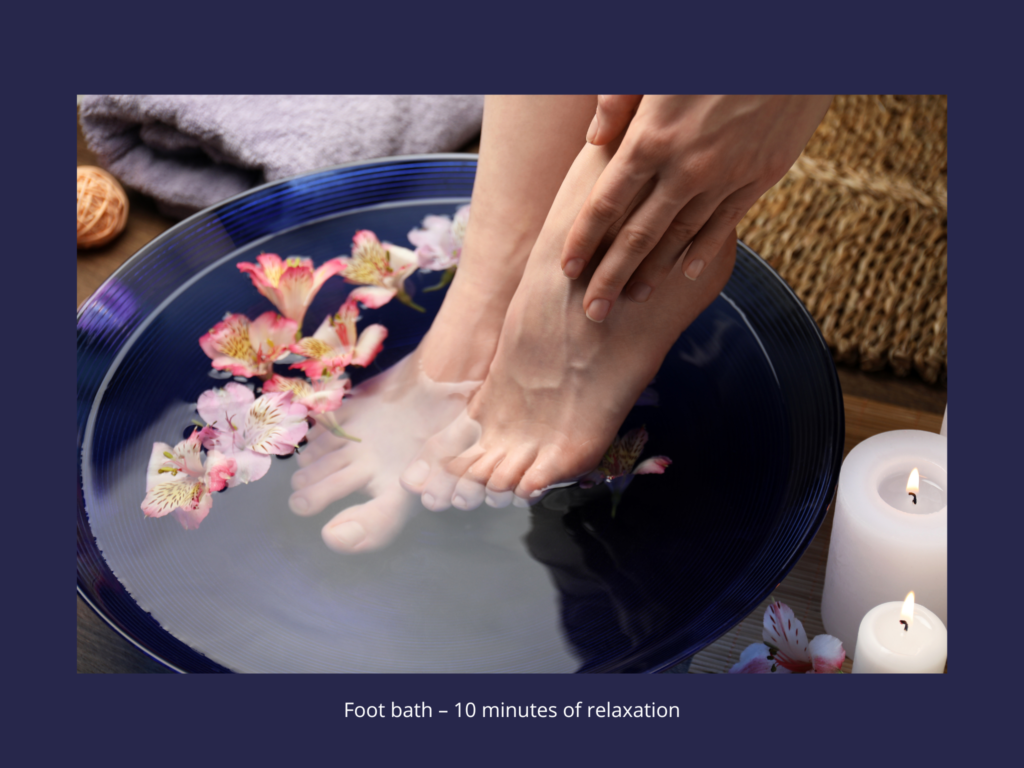
- Prepare: Soak feet or hands in warm—never hot—water for five to ten minutes.
- Smooth: If appropriate, use a soft cotton cloth for exceptionally mild physical smoothing. Avoid aggressive scrubs or strong exfoliating acids before applying heavy occlusives, as sealing active acids can heighten irritation.
- Hydrate: Apply a generous layer of a soothing, unfragranced body lotion to damp skin.
- Glaze: Warm a tiny amount of Vaseline between your palms and sweep it lightly over the skin. Put on breathable cotton socks or gloves to protect your linens and amplify the softening effect while you sleep.
The Sofia Glow Method: Luxury Skincare on a Budget
At Sofia Glow Edit, we treat petroleum jelly as an exquisite finishing coat—a final touch that elevates the performance of every product beneath it.
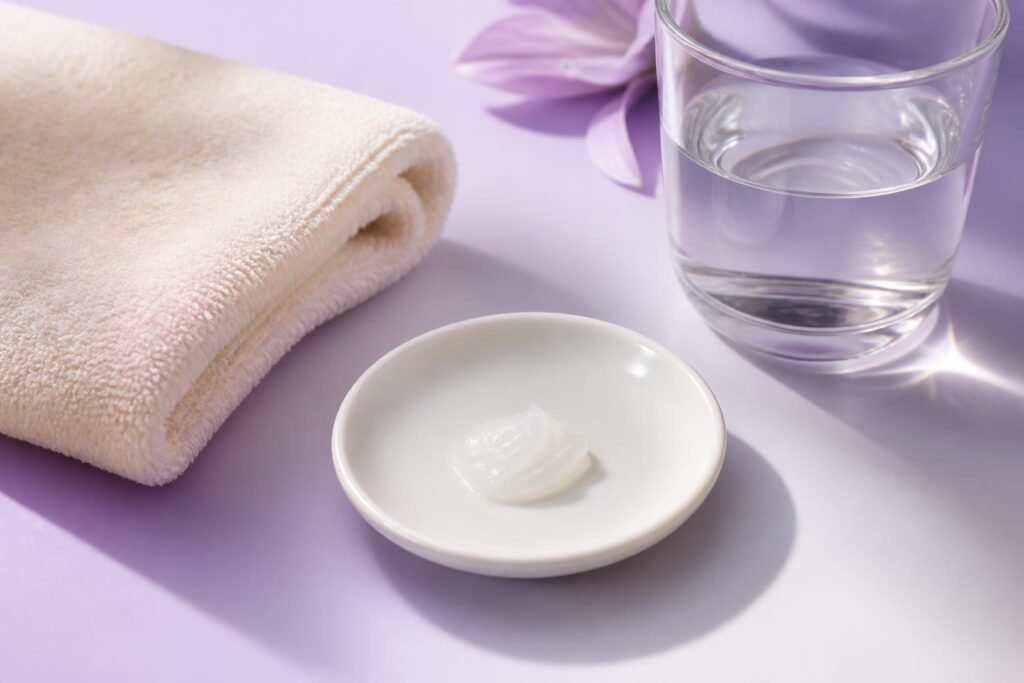
- Sanitary Elegance: Scoop a tiny, pin-sized portion of Vaseline using a clean skincare spatula into a small ceramic dish rather than reaching directly into a large jar with wet hands.
- Strategic Placement: Focus solely on areas that need high-level occlusion: lip contours, delicate cuticles, dry heels, or exposed cheekbones during cold weather.
- Purity First: Avoid the temptation to mix raw Vaseline with essential oils, perfumes, concentrated retinoids, or exfoliants. Adding fragrance introduces unnecessary sensitizers, while sealing active ingredients under a thick occlusive layer can dangerously intensify their potency and disrupt your skin barrier.
Pure, intentional application yields a polished, comfortable finish without a heavy price tag.
Frequently Asked Questions
Is Vaseline a moisturizer?
Technically, no. Vaseline is an occlusive agent. True moisturizers contain a mix of humectants (to attract water), emollients (to smooth), and occlusives (to seal). Vaseline performs the sealing role exceptionally well but needs moisture present on the skin to be effective.
Can Vaseline be used on the face?
Yes, but technique and skin type matter. It works wonderfully for dry or sensitive skin types when applied in tiny amounts over damp skin or moisturizer. Those with oily or acne-prone skin should avoid heavy facial application.
Is Vaseline suitable for dry lips?
Extremely. Lips lack oil glands and lose moisture rapidly. Applying Vaseline over a splash of water or a hydrating lip serum creates an ideal protective seal.
Can it help with dry heels?
Yes. Applying a thin layer of Vaseline over damp, freshly moisturized heels before putting on cotton socks overnight is one of the most effective ways to soften dry skin.
Can Vaseline replace sunscreen?
No. Vaseline offers no broad-spectrum UV protection. You must apply a dedicated SPF 30 or higher during the day.
Is it suitable for acne-prone skin?
Generally, heavy occlusives are not ideal for acne-prone skin, as sealing the pores can sometimes trap sebum and debris.
Can it repair the skin barrier?
It supports natural barrier recovery. By reducing water loss and shielding skin from outer elements, it provides a protected environment for the skin to repair itself.
Conclusion
Skincare does not need to be overly complicated to be deeply effective. By understanding how Vaseline functions as an occlusive, you can transform a humble vanity classic into a high-performance finishing touch. When applied with restraint over well-hydrated skin, it offers an accessible path to a softer, smoother, and healthier-looking complexion. Embrace simplicity, respect your skin barrier, and let your natural luminosity lead the way. Vaseline proves that effective skincare does not have to be expensive or complicated. Used on clean, hydrated skin, plain petroleum jelly can help seal in moisture and protect dry areas. However, it should not replace sunscreen or be mixed with fragrances and essential oils. The key is simple: use it thoughtfully, sparingly, and according to your skin’s needs.
References : American Academy of Dermatology Association, as cited in “Using Vaseline on your face: Benefits and risks,” Medical News Today — https://www.medicalnewstoday.com/articles/vaseline-on-face Dr. Heather D. Rogers, MD, “Dermatologist Explains: What Is Petroleum Jelly (Vaseline) and Is It Safe to Use on the Skin?” — https://www.doctorrogers.com/blogs/blog/what-is-petroleum-jelly-vaseline-is-it-safe-to-use-on-the-skin Genesis Dermatology, “Debunking the Vaseline Moisturizing Method” — https://www.genesisderm.com/2023/08/debunking-the-vaseline-moisturizing-method/ Skin Cancer & Dermatology Institute, “Petroleum Jelly – Miracle Worker or Villain? A Dermatologist Weighs In” — https://skincancerderm.com/petroleum-jelly-miracle-worker-or-villain-a-dermatologist-weighs-in-on-its-benefits-and-potential-downsides/ Tru-Skin Dermatology, “The Ultimate Guide to Petrolatum and Slugging: Debunking Myths and Revealing Benefits” — https://www.tru-skin.com/blog/the-ultimate-guide-to-petrolatum-and-slugging-debunking-myths-and-revealing-benefits
Disclaimer: The information provided in this article is for general educational purposes only and does not constitute medical advice or diagnosis. Always consult a board-certified dermatologist or healthcare provider for personalized medical guidance.